

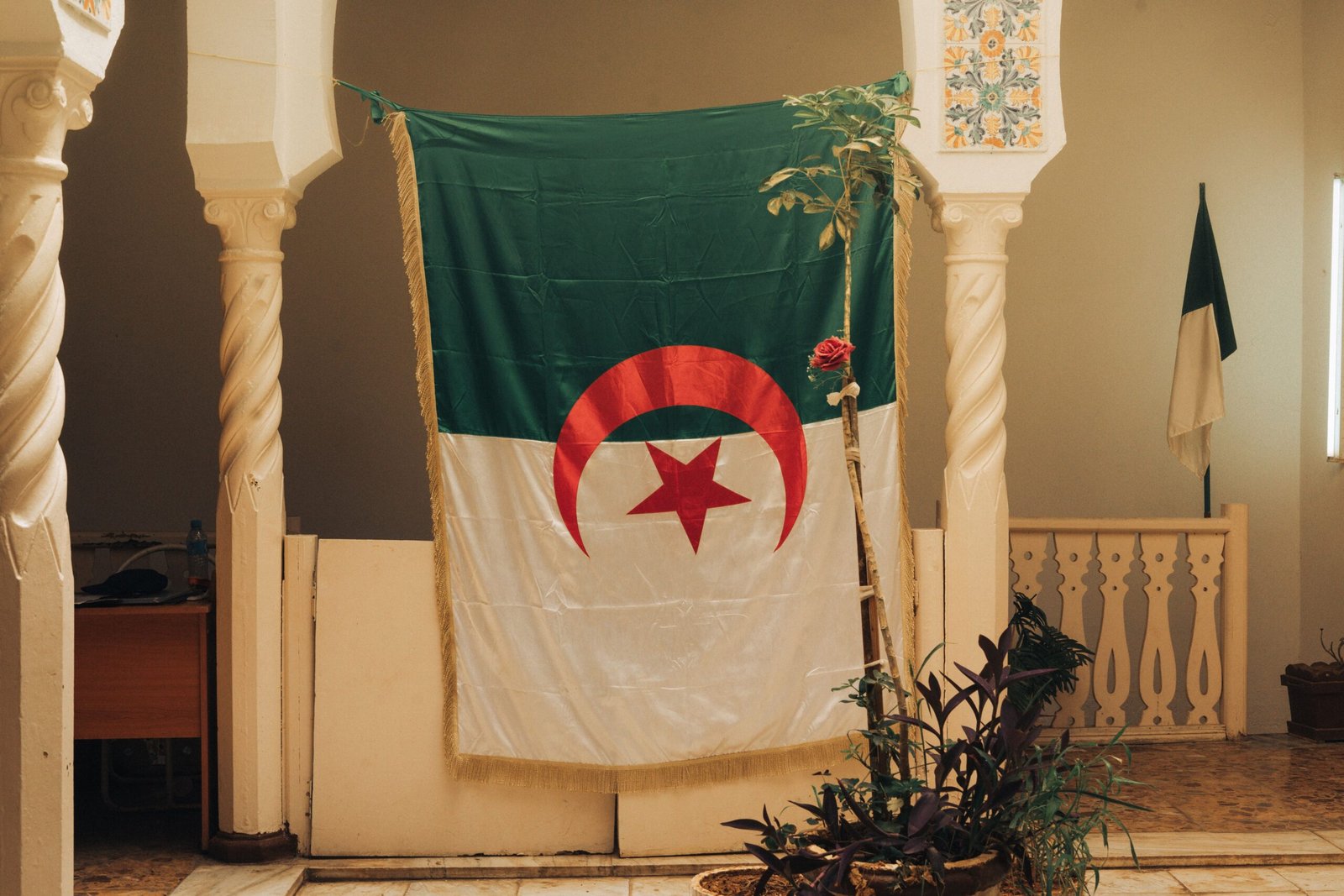
In Algeria, the official languages are Arabic and Amazigh, but each region has its own dialect of Arabic or Amazigh. The majority of people also speak French, and many people, especially the younger generation, speak English.
Today, I’m going to teach you some useful words and expressions in Algerian Arabic (Darija). If you’re going to Algeria, learning a few of these expressions will make your interactions with locals more authentic and help you connect with them. Algerians are generally very friendly, and even a few words in their dialect can make your experience more enjoyable.
Greetings
The first thing to know is how to greet someone. As in many Muslim countries, you can say:
- Salam alaykum — May peace be upon you.
- Short version: Salam — Hello.
The usual response is:
- Wa alaykum salam — And peace be upon you too.
Asking How Someone Is
Once you’ve greeted someone, the next natural step is checking in on them. Here is how you ask and answer:
- Wesh rak? — How are you? (to a man)
- Wesh raki? — How are you? (to a woman)
To answer:
- Labas — Fine / I’m good.
- Bkhir — Good / I’m doing well.
- Hamdoulillah — Thank God / Thanks to God.
To help you build your own phrases, notice how state-of-being verbs work:
- Rak — You are (masculine)
- Raki — You are (feminine)
- Rani — I am
- Rani bkhir — I’m good.
Yes and No
- Ih — Yes
- Lala — No
- W nta? — And you? (to a man)
- W nti? — And you? (to a woman)
Introducing Yourself
Now, let’s move on to making introductions so people can get to know you:
- Wasmek? — What’s your name?
- Ismi… — My name is…
- Tahder Arbiya? — Do you speak Arabic?
- Nahder chwiya Arbiya — I speak a little Arabic.
- Mlih — Good / Nice.
Where Are You From?
- Mnin nta? — Where are you from? (to a man)
- Mnin nti? — Where are you from? (to a woman)
- Ana men Spanya — I’m from Spain.
Some country names in Darija include:
- Italya or Talyan : Italy
- Fransa : France
- Almanya : Germany
- Roussiya : Russia
- Mexique : Mexico
- Spanya : Spain
- Dzair : Algeria
- La chine : china
- Marikan : USA
- Younan : Greece
- Torkia : Turkey
Full Conversation
To see how all of this ties together in real life, let’s look at an example of a complete dialogue:
Person A: Salam!
Person B: Wa alaykum salam.
Person A: Wesh rak? (How are you?)
Person B: Labas, hamdoulillah. W nta? (I’m fine, thank God. And you?)
Person A: Bkhir, hamdoulillah. (I’m good, thank God.)
Person B: Wasmek? (What’s your name?)
Person A: Ismi Adam. W nta? (My name is Adam. And you?)
Person B: Ismi Manuel. (My name is Manuel.)
Person A: Mnin nta? (Where are you from?)
Person B: Ana men Mexique. (I’m from Mexico.)
Person A: Tahder Arbiya? (Do you speak Arabic?)
Person B: Lala, nahder chwiya Arbiya. (No, I speak a little Arabic.)
Person A: Ooh, mlih! Mrahba bik f Dzayer! (Oh, good! Welcome to Algeria!)
Person B: Saha! (Thanks!)
Person A: Allah yselmek! / Yselmek! (You’re welcome.)
As a quick note on politeness, to say thank you, you can say saha or choukran. A common response is Allah yselmek, often shortened to yselmek.
Question Words
When you need specific information, knowing how to ask question words will come in very handy:
- Chehal? — How much? (You can use this at a market when asking about the price.)
- Win? — Where?
- Chkoun? — Who?
- Weqtach? — When?
- Kifesh? — How?
- Alash? — Why?
- Wesh? / Weshnou ? — What? (Wesh? can also be used casually like “Hey” or “What’s up?”)
You can pair these with the word for “this” (hada):
- Hada — This
- Chkoun hada? — Who is this?
- Wesh hada? — What is this?
- Wesh qolt? — What did you say?
Getting Around
When you’re out exploring the city, these travel and direction phrases will help you navigate:
- Win rana? — Where are we?
- Win rana rayhin? — Where are we going?
- Rana rayhin l marché. — We’re going to the market. ( Marché = market and l = to)
- Lala, habit nroh l bhar. — No, I want to go to the beach. (habit = I want, nroh = go, Bhar= beach)
- Win rahi tonobil? — Where is the car? (Tonobil= car)
- Rahi hna. — It’s here.
A few useful location words to keep in mind:
- Hna — Here
- Lhik — There
- Kayen — There is / There are
- Makash — there is not.
Here are a few practical examples on the go:
- Kayen métro hna? — Is there a metro here?
- Makach. — There isn’t any.
- Weqtach yji l bus? — When is the bus coming?
- Kifesh nroh l gare? — How do I get to the train station?
- Win jay l marché? — Where is the market?
- Tbahert. — I’m lost.
Imperative Verbs
When you need to give quick directions or instructions, here are some useful action commands:
- Chouf! — Look! (to a man)
- Choufi! — Look! (to a woman)
- Qol! — Say! (to a man)
- Qoli! — Say! (to a woman)
- Arwah! — Come! (to a man)
- Arwahi! — Come! (to a woman)
- Roh! — Go! (to a man)
- Rohi! — Go! (to a woman)
Notice a pattern? In many cases, the feminine imperative ends in -i, so you’ll notice forms such as chouf/choufi, qol/qoli, arwah/arwahi, and roh/rohi.
Exceptionally, Atini (give me) is said the exact same way for both male and female.
Some Useful Adjectives
To add more detail to your conversations and express your opinions, here are some practical descriptive words:
- Chbab — Beautiful (masculine)
- Chaba — Beautiful (feminine)
- Mashi chbab — Not beautiful (so mashi means “not”)
- Ghali — Expensive
- Bezaf — Very / A lot
- Bezaf chaba — Very beautiful
- Plassa chaba — It’s a beautiful place
- Bnina — Delicious
- Makla bnina — The food is delicious
- Hayla — It’s cool
- Activite hayla — This activity is cool
- Tswira chaba — Beautiful photo
- Ajbtni — I like it
- Chwiya — A little
- Atini chwiya pistaches — Give me some pistachios
And for ordering items or counting quick quantities, keep these numbers in mind:
- Wahd — One
- Zouj — Two
- Tlata — Three
- Atini zouj croissant — Give me two croissants
Now you know some of the most basic and useful Algerian Arabic expressions. You’re ready to start using them when you visit Algeria!
Even if your pronunciation isn’t perfect, don’t worry. Locals will appreciate the effort, and these little expressions can help you connect with people and make your experience in Algeria more authentic and memorable.
